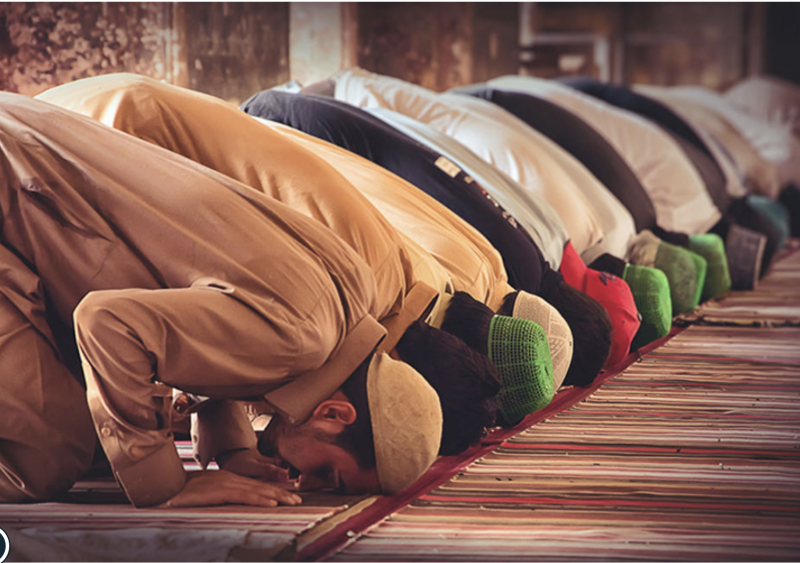
Sacred Chants & mantras
Among spiritual practices, prayer and mediation are probably the most universally recommended. Whether with mantras, holy names, requests, or words of surrender; whether chanted in community or in solitude, in song or in complete silence, heartfelt and direct connecting with
one’s preferred Deity, is a sure way to elevate your soul.
Below is a sample few major mantras, ancient sounds and pathways to devotion that resonate across spiritual traditions.
1. Mantra Meditation
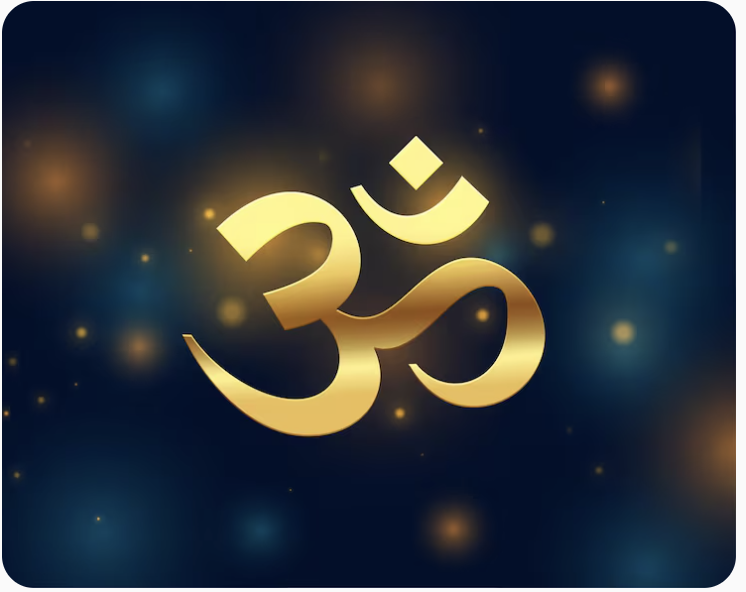
Ōṁ (A-um): The Universal Sound
Ōṁ, or Omkar, is revered as the seed mantra in all Vedic scriptures, which represents the essence of the Absolute. It serves as a fundamental tool for meditation on the yogic path, encapsulating the entire cosmos in its vibration. Chanting Ōṁ can bring a deep sense of calm and connection to universal consciousness.
The Gayatri Mantra
Om Bhur Bhuvaḥ Svaha
Tat-savitur Vareñyaṃ
Bhargo Devasya Dheemahi
Dhiyo Yonaḥ Prachodayāt
Om: the primeval sound; Bhur: the physical realm; Bhuvah: the higher realms Suvah: the spiritual realm; Tat: That (God); Savitur: the source of light); Vareñyam: adore; Bhargo: effulgence; Devasya: Supreme Lord; Dheemahi: Let us meditate; Dhiyo: the intellect; Yo: May; Nah: our; Prachodayāt: illuminate.
We meditate on that most adored supreme Being, whose Light (Goddess) permeates the physical, mental and spiritual realms. May that Light illuminate our consciousness.
This Mantra first appeared in the Rig Veda 2500 years ago.
Goddess Gayatri


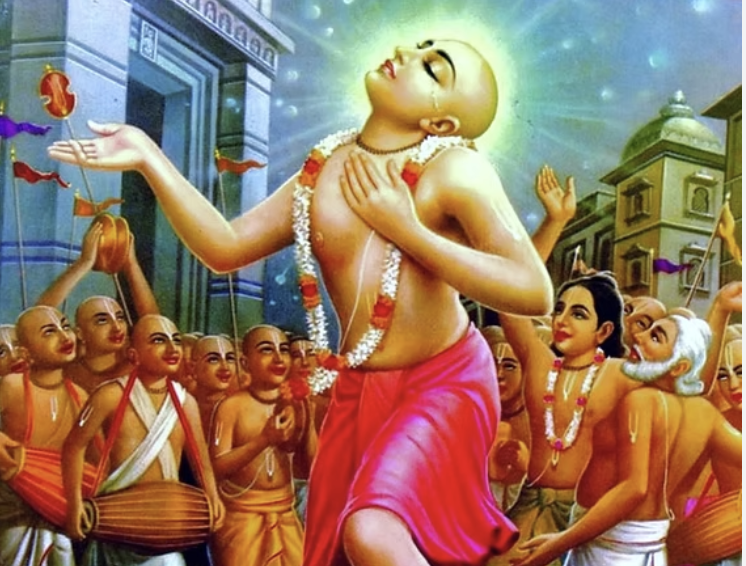
The Hare Krishna Mantra


This well-known Vedic mantra has spread beyond India's borders since the mid sixties: It translates as, "O Divine Couple, kindly let me serve You with love and devotion." 'Hare' addresses the Eternal Feminine energy of Krishna ("most attractive"), and of Rama (the reservoir of bliss). Originally found in the Kalisantarana Upanishad, the mantra was revived by Shri Chaitanya in 16th century Bengal as being most suited for the current age of quarrel and hypocrisy (Kali-yuga)
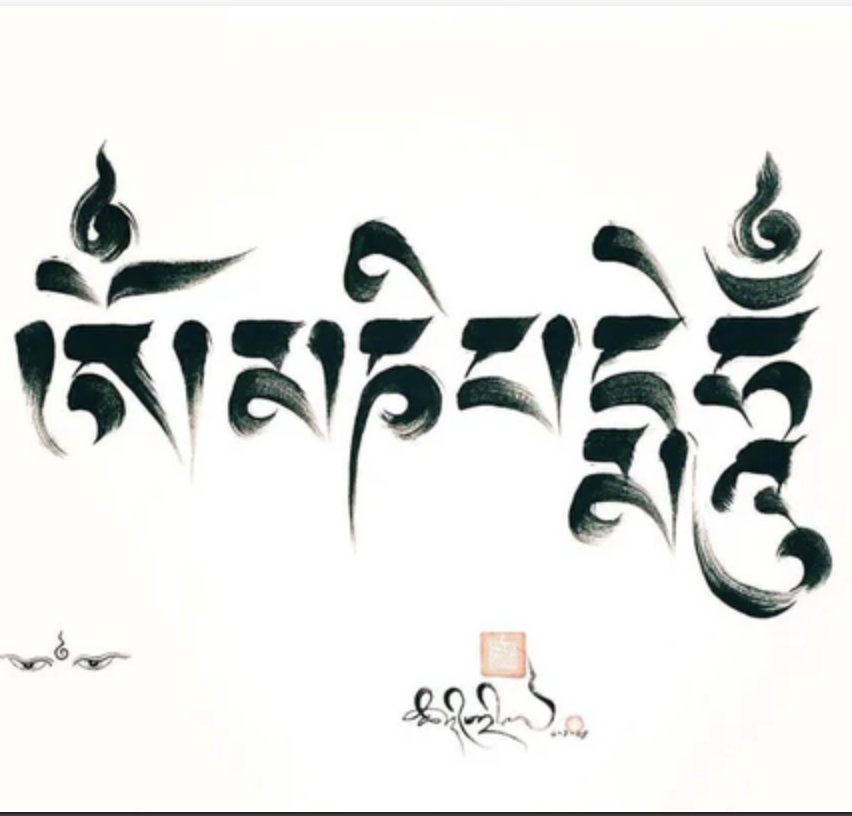
Om Mani Pädme Hum
In its most literal translation, the mantra is a glorification: "Praise to the Lotus Jewel". ''mani' translates as Jewel (compassion), 'padme' as Lotus (wisdom).
This mantra plays a key role in Chinese ,Tibetan, Japanese, and Vietnamese Buddhist rituals. Originating from its Mahayana branch, it is said to contain the essence of all Buddhism, It is widely chanted by lay persons and monastics alike, frequently carved onto rocks, painted on hillsides, and copied onto prayer wheels.
The mantra expresses the soul's fascination for the Source of all that is, without referring to personal or impersonal considerations. In fact Buddhism, as it were, makes no reference to God.
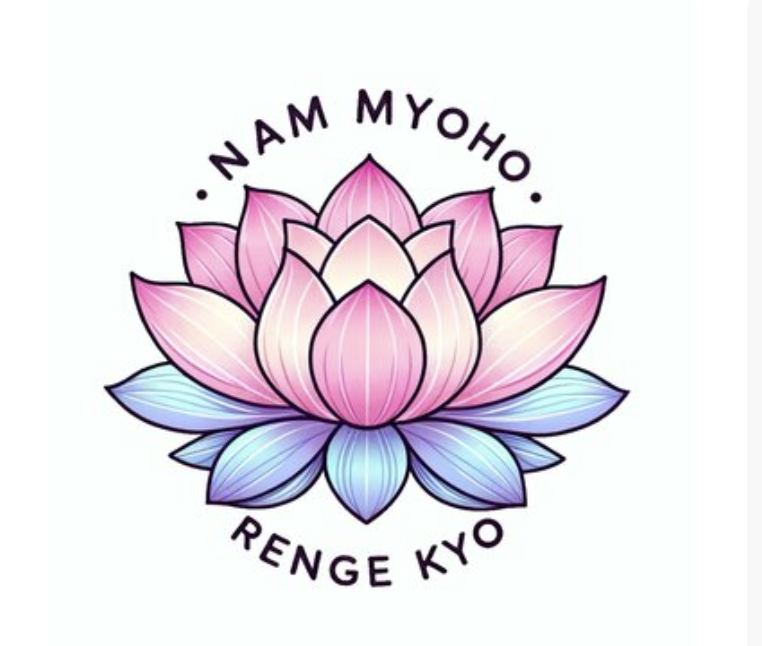
Nam Myōhō Renge Kyō
This well-kown mantra originally came from Japan in the 13th century. Its literal meaning is, "Devotion To The Mystic Dhama of the Lotus Flower Sutra". The Lotus Sūtra is a lengthy, highly revered text meant to unlock one's innate Buddhahood.
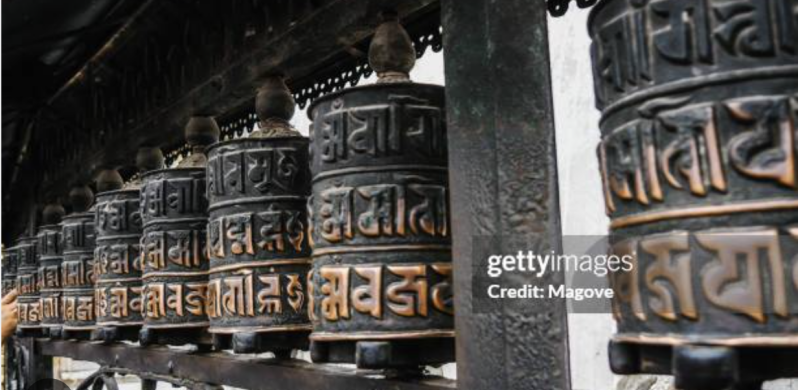
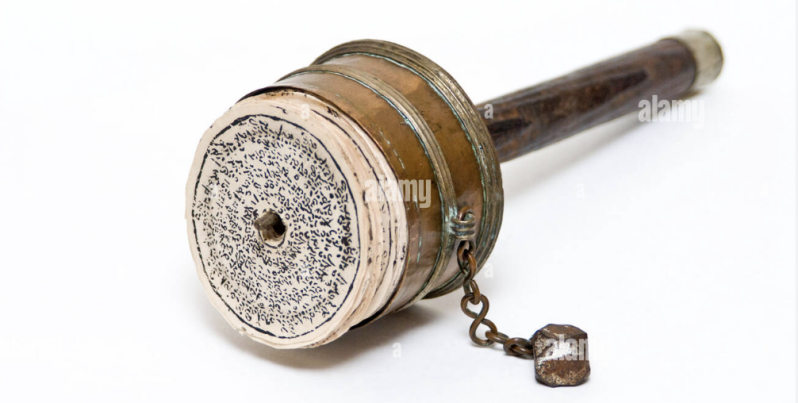
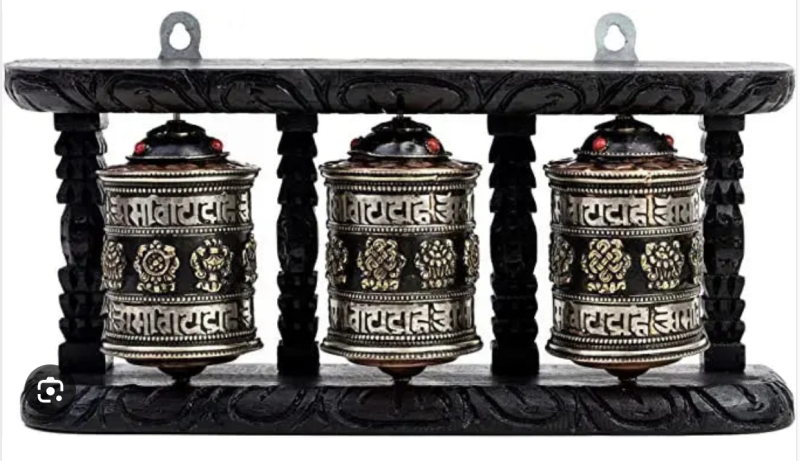
Tibetan Prayer Wheels
2. Silent Meditation
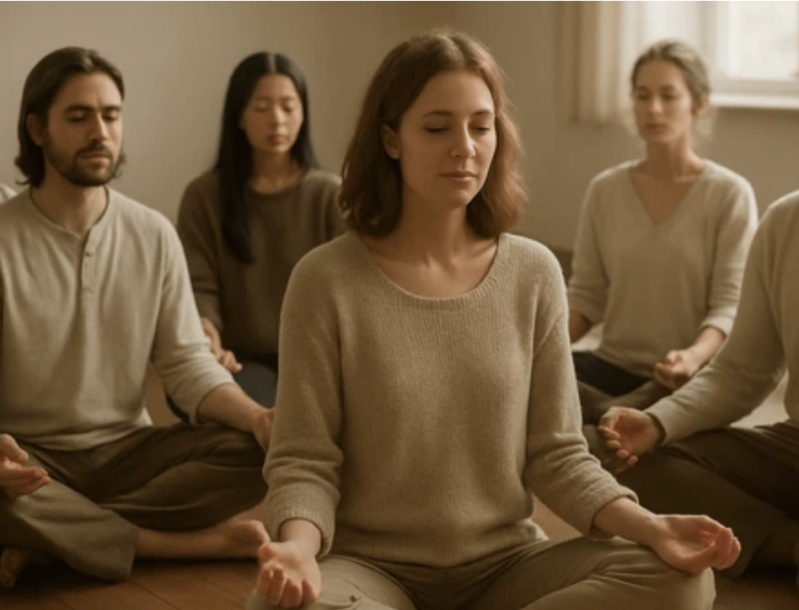
Silent meditation is the practice of focusing inward, maintaining stillness, and refraining from thought and speech to cultivate inner peace and awareness. Prolonged silence can help you better process and manage negative thoughts and stop reacting to negative sensations.
Find a quiet, comfortable place where you will not be disturbed. ...
- Decide how long you want to meditate and set a timer.
- Focus on your breathing.
- Allow your thoughts come and go.
- Observe sensations in your body.
- Finish the meditation.
Mindfulness
According to Wikipedia, since the 1990s a silent meditation called secular mindfulness has gained momentum in the West.
Clinical studies have documented mental and physical health benefits to mindfulness in healthy adults and children. A large-scale meta-analysis of randomized controlled trials (encompassing 142 studies and more than 12,000 participants) found that mindfulness-based therapies show considerable promise as evidence-based treatments.

3. Prayer Recitation
Unlike meditation, prayer expresses a wish, a request, an appeal. You pray 'for' something, or 'for' someone (favorably). Praying for your own sake is also quite common. Whether for healing or for success, for assistance or for protection, prayer voices your
dependance on a higher power than yourslelf. It is an act of humility and surrender. Prayers can also be used as mantras. For instance millions of Roman Catholics recite "Our Father" and "Hail Mary" on the rosary., as the orthodox do with "the Jesus Prayer".

"Lord Jesus Christ, Son of the Living God, have mercy on me, a sinner."
This is the Prayer Of The Heart, also known as the Jesus Prayer,. The middle part “son of the living God” is sometimes omitted. Its origin can be traced back to 4th century Egypt, where Christian monks sought to practice continuous prayer to maintain focus on God throughout the day. It has become the keystone mystical practice of the Orthodox Church and is chanted like a mantra, synchronized with the rhythm of one’s breath.

Ave Maria
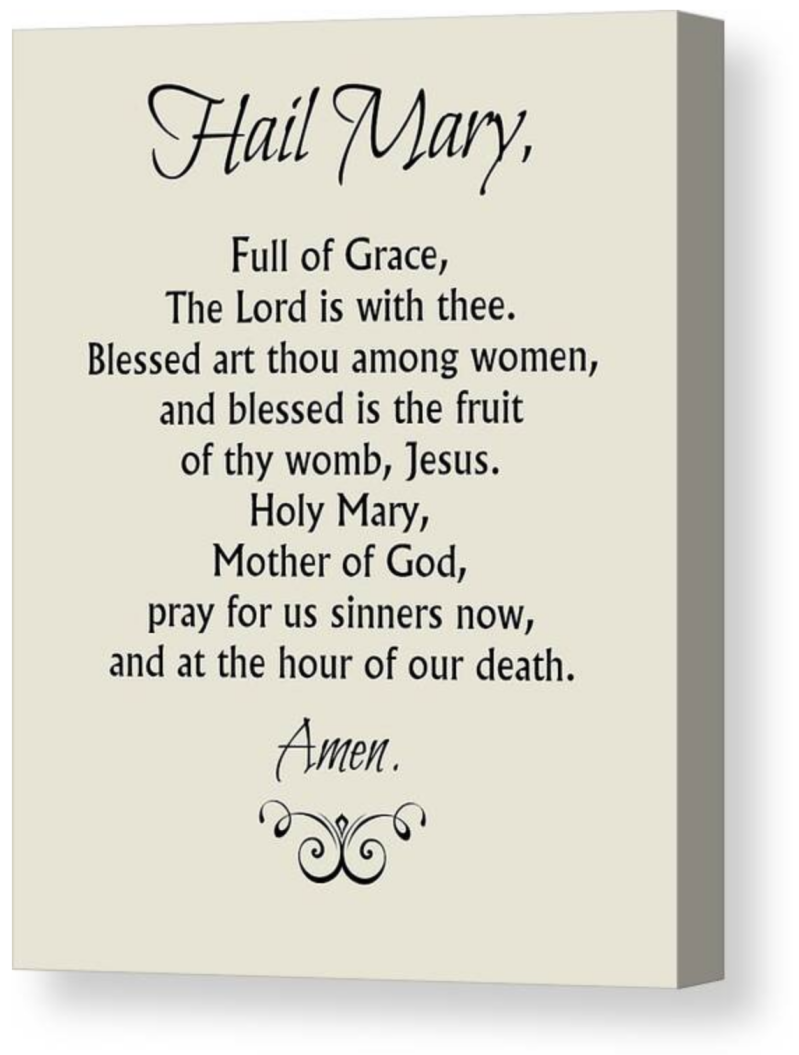
The Hail Mary Prayer ---also known as "Ave Maria" asks for her intercession with the Lord for blessings in this life and the next. It's a way to remember and try to emulate Mary's love and mercy in our daily lives. The first two lines, "Hail Mary, full of grace, the Lord is with you", (Luke 1:28.) came from the "Angelical Salutation", when Archangel Gabriel made his "Annunciation".

The Lord's Prayer
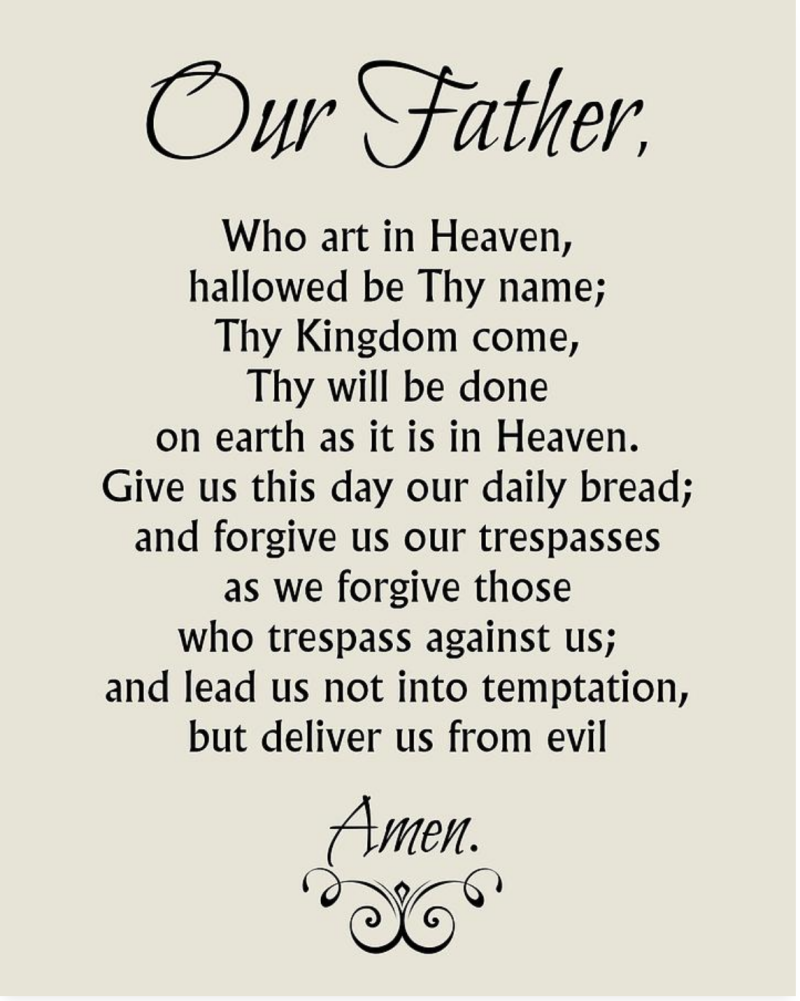
This universal Christian prayer is attributed to Jesus. According to the Gospel of Luke, it was the answer to a disciple who'd asked Jesus, "Lord, teach us to pray".
The Lord's Prayer ---with variations across Christian traditions--- aligns the soul with God's will, emphasizing praise, trust, and ethical living,

Hallelujah (Halleluia)
The word hallel (הַלֵּל in Hebrew) means a joyous praise in song. The second part, Yah is a shortened form of Yahweh.
The first known use of Hallelujah was before the 12th century, as an interjection to express gratitude. It was used in Judaism since the earliest times as part of the Hallel prayers, and in Christian liturgy, especially in the Catholic, the Lutherian, and the Eastern Orthodox Churches.

°°°°°°°°°°°°°°°°°°°°°°°°°°°°°°°°°°°°°°°°°°°°°°°°°°°°°°°°°°°°°°°°°°°°°°°°°°°°°°°°°°°°°°°°°°°°°°°°°°°°°°°°°°°°°°°°°°°°°°°°°°°°°°°°°°°°°°°°°°
la ilaha illallah muhammadur rasulullah
"There is none worthy of worship except God (Allah), and Muhammad is His messenger."
The Qur'an itself is a commentary of this statement, which is said to encompass the entirety of the religion of Islam. It is written on all corners of the Divine Throne at the Great Mosque of Mecca, which is the direction of prayer for Muslims worldwide. The faithful are supposed to go on pilgrimage there at least once in their lives.[With over 10.8 million international visitors in 2023, Mecca was one of the ten most visited cities in the world.