On Death


Is there such a thing as death?
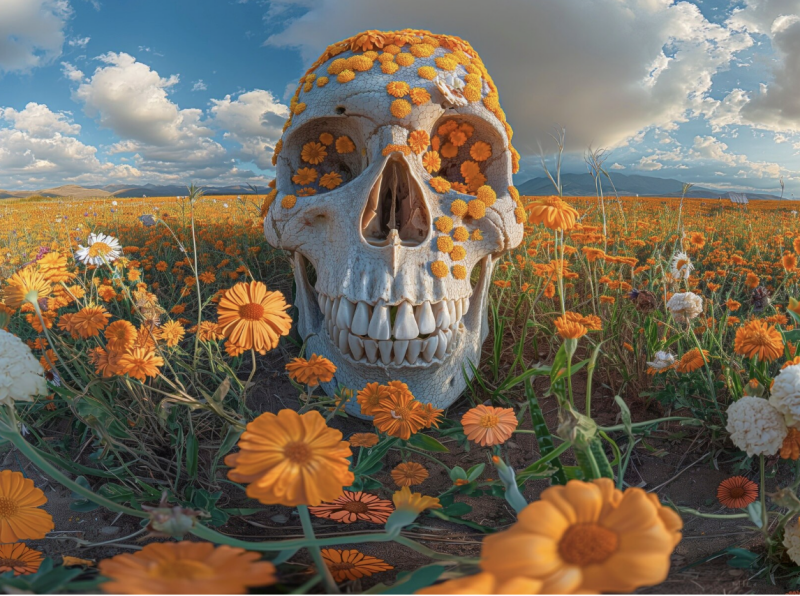
Whatever the answer to this existential question, the word sounds so final it scares the heck out of anyone. Its definition, “The permanent ending of vital processes in a cell or tissue”, isn’t more reassuring. Using the alternative words “demise”, “passing”, “eternal rest”, “expiration”, doesn’t fix the deep-seated malaise. So deep, no matter how much faith, how much conviction in an afterlife you have, the built-in instict of survival bears proof of the underlying fear of death we carry.
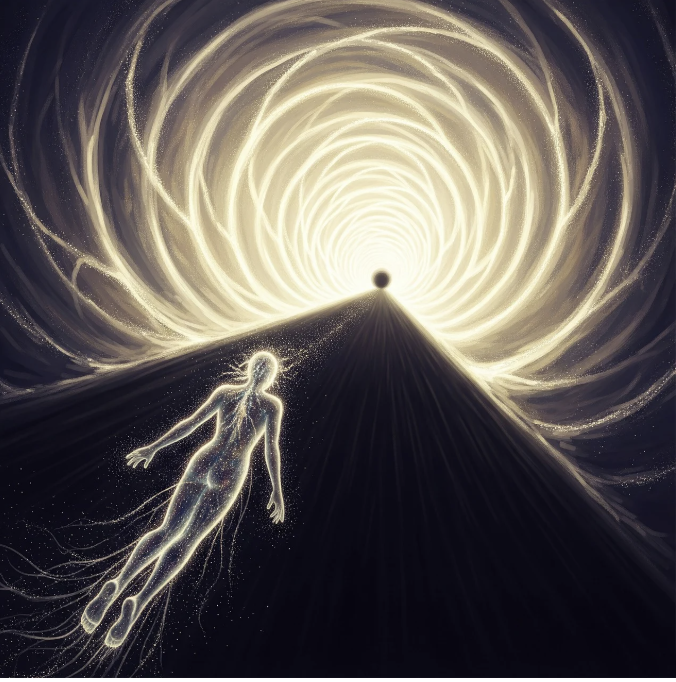
Fear of the unknown ---what we’ve never experienced, far-away people we’ve never met and cannot understand when they march toward you with obscure intentions. Death represents such a menace approaching, inevitable, fatal. A glimmer of hope has sprung for some with the testimonies of those lucky few who’ve had a brush with death and were rescussitated, claiming that much of their fear of death had vanished after the experience. They feel some of the unknown has become known to them. But what with the rest of us?
Faith
While physical death is the separation of body and soul, spiritual death would be the separation of the soul from God. Faith is said to be the means by which souls can be lifted to spiritual consciousness. Thankfully, this is a rare teaching we find to make concensus among religions.
The last words of Jesus on the cross were, “O Lord, into Thy hands I command my spirit.” The gospels tell of Jesus ascending to heaven after resurection, but will everyone commanding their spirit to God meet the same destiny? “ In Mark 11:22-24 we read, “I tell you to have faith that you have already received whatever you pray for, and it will be yours.”
The Qu’ran confirms the same: “Indeed, the Jews, Christians, and Sabians— whoever ˹truly˺ believes in Allah and the Last Day and does good will have their reward with their Lord. And there will be no fear for them, nor will they grieve”. Surah Al-Baqara, 2:62
The Bhagavad-gita (sanskrit for The Song of God) shares a powerful viewpoint on death: “Whatever state of being one remembers when he quits his body, that state he will attain without fail.” (8.6.) “And whoever, at the time of death, remembers Me alone, at once attains My nature. Of this there is no doubt.” (8.5.) Nedless to list every holy text on the subject.
These quotes from three major scriptures are samples from a long list of similar quotes from sacred texts around the world.

Article continues






Scientists and Belief
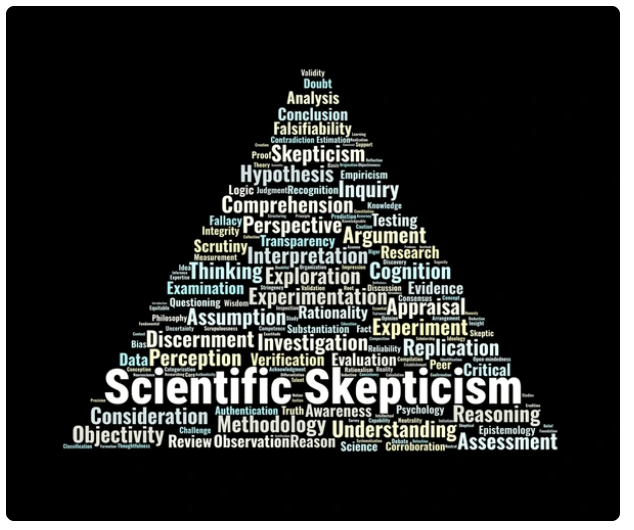
Religious faith does not depend on empirical evidence. It is not necessarily modified in the face of conflicting evidence, and typically involves supernatural forces or entities. Because science does not recognize them as a part of nature, supernatural phenomena cannot be scientifically investigated. Hence most scientists regard death as an absolute end of an individual’s existence. After giving life to children, men and women do live on figuratively ---through their biological progeny, that is.
Yet, according to David Masci, senior researcher at the Pew Research Center’s forum on Religion & Public Life, a 2009 survey found that 33% of scientists said they still believe in God, while 18% believe in a universal spirit or higher power. Although this is roughly half of the 95% of Americans who believe in some form of deity, it indicates that, even among scientists, religious conviction can transcend ---or shall we say overshaow--- their faith in rational investigation.
Surprisingly, the fear of death does not seem to affect non-believers any more than people of faith. Many atheists are seen to die in peace, with the attitude that ceasing to exist is no problem from them at all. For one thing the fear of post-mortem punishment doesn’t torment them like it may do for guilt-ridden believers who have failed to live up to their religious teachings. Common to both theists and atheists, however, is the terror of pre-death agony. Both harbor the hope of dying painlessly and idealize the prospect of the quickest possible experience. A terminal, protracted and debilitating illness is everyone’s most dreadful prospect, though it may serve to effectively replace death’s frightning approach with a highly desirable passing.
Nowadays palliative care has become the norm, especially in coutnries where euthanasia and assisted suicide are against the law.
In closing, we might suggest that the relief sought out by a dying person to end suffering, together with the brush with death resulting from an NDE as mentioned earlier, are two radical circumstances in which human beings seem to lose, at least partially, their inborn fear of death. Regardless of whether we live on in an afterlife or not, skeptical scientists facing the bitter end may or may not dread it more than others. As for advocates of life on the other side, they may be grand winners in the sens that death marks for them the point of a new beginning, with all its promises of soul evolution and eternal existence.